
← Home

Community

Built by students, for students. Not a company. A community.

LIFE AT ANACODIC

Life at Anacodic
Life at Anacodic
Life at Anacodic
Life at Anacodic
Life at Anacodic
Life at Anacodic
Life at Anacodic
Life at Anacodic
Life at Anacodic
Life at Anacodic
Life at Anacodic
Life at Anacodic
Life at Anacodic
Life at Anacodic

FACULTY & ADVISORS

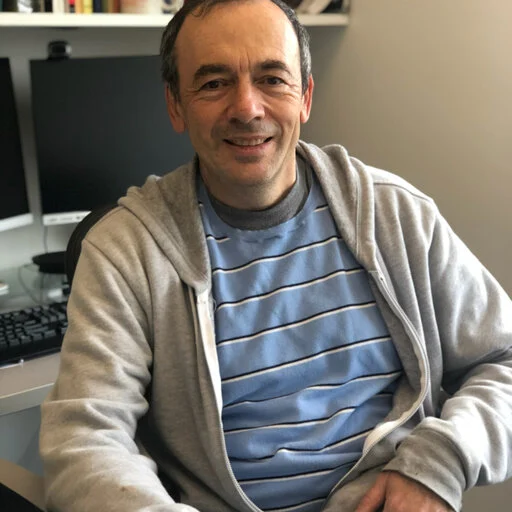
Prof. Eugene Pinsky, PhD

BUHarvard BAColumbia PhD

Advises on

  • Research methodology · Publication positioning
  • Honest evaluation · Deployment thinking
Research rigor means being able to show your work at every step — the methods, the assumptions, the limitations. Interpretability, honest evaluation, and reproducibility are not extras. Collaborators here learn to hold their work to that standard from the start.

Our Recent Work

  • Carbon Cost of Intelligence Energies·MDPI
  • Operational Resilience Systems·MDPI
  • Soft Clustering under review
  • Quantile shape / MAD JETA·MDPI

Prof. Kathleen Park, PhD

HarvardMITBU

Advises on

  • Humanitarian AI · Multi-agent systems
  • Responsible deployment · Research direction
Most agentic AI research focuses on what these systems can do. We at AnacodicAI Labs focus on who they're for. Our multi-agent systems are designed for communities without access, clinics without specialists and classrooms without enough teachers, with privacy and responsible deployment at the architectural level. That's the gap between AI capability and AI reach. We're closing it.

Our Recent Work

  • Carbon Cost of Intelligence Energies·MDPI
  • Operational Resilience Systems·MDPI
  • TerrierTA in progress
  • Water Cost of Intelligence in progress

MEMBER STORIES

Dishant Pandauria

Backend engineer by day — shipping agent systems on the side

I joined to help the team ship, not to switch careers. Co-leading delivery on SafeBite and TerrierTA forced agent design and evaluation into my day-to-day — the kind of constraints that changed how I think about failure modes and observability in production pipelines — skills I use when I build telemetry pipelines at New Relic.

Before

Backend SDE building distributed systems in Go, Kafka, and AWS

At the lab

Delivery across SafeBite, TerrierTA, and cost-constrained agent systems

After

SDE @ New Relic — stronger on production patterns for AI-adjacent systems
Bhanu Sharma

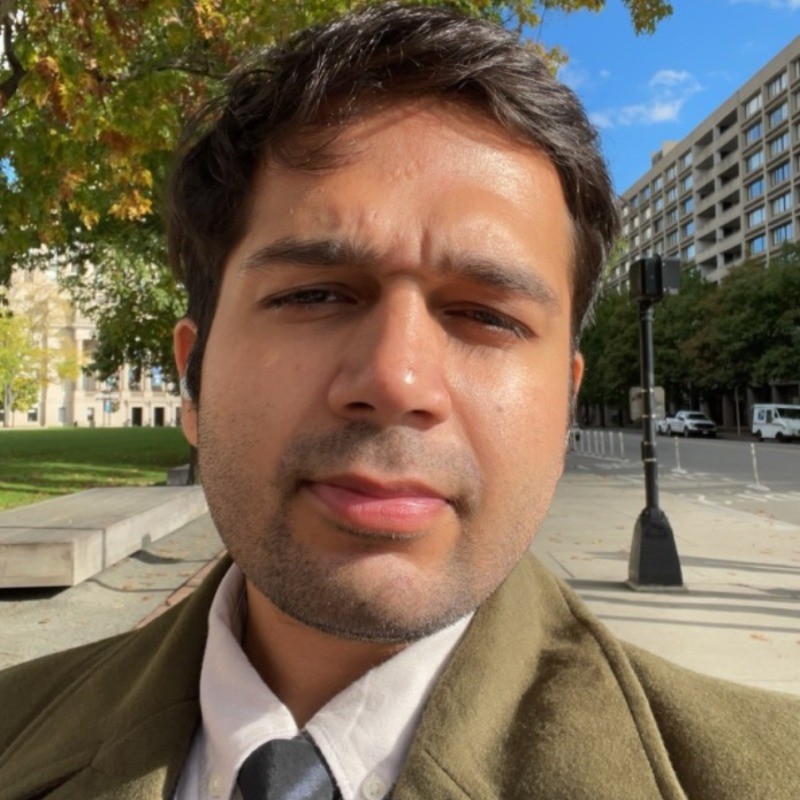
From data engineer to AI research — with papers to show for it

I came in as a data engineer and ended up co-authoring research — SafeBite and the lab's AI-sustainability work, plus my own first-author paper. Doing it end-to-end, with faculty mentorship, is what opened the AI Research Engineer role at Dell.

Before

Data engineer at UnitedHealth Group (Optum)

At the lab

SafeBite + sustainability / supply-chain research; co-author on lab papers

After

AI Research Engineer at Dell — still publishing while employed

Varanjot Singh

HR systems specialist — learning research-grade AI without changing careers

My day job isn't AI research. I joined because the team needed someone who could test, document, and ship — and I wanted to learn what people are actually building this year, not from a two-year-old course. The evaluation work on TerrierTA and co-authoring Knowledge-in-a-Box gave me skills I use when HR products talk about AI.

Before

HR systems and enterprise software (Eightfold, Darwinbox); BTech Mechanical

At the lab

TerrierTA evaluation methodology; Knowledge-in-a-Box co-author; manuscript translation and provenance research

After

Specialist HR Systems @ Amgen — same career path, stronger on how AI systems are built and evaluated

Rajat Yadav

TerrierTA lead — full-stack from database to dashboard

TerrierTA is mine to run — PostgreSQL to React — and the first product I've taken from schema to shipped grading pipeline.

Before

Backend and DevOps engineer (Phenom, then observability tooling at New Relic)

At the lab

Lead, TerrierTA — full-stack frontend, PostgreSQL schema and data fixes, grading pipeline delivery; lab AWS and CI/CD

After

Software Developer @ New Relic — full-stack product lead for a live AI grading system (database to dashboard)

Vasudev Parmar

SDE II building platforms — first agent product, API to production

I build enterprise platforms for a living — Kafka, Kubernetes, developer portals. Potluck was the first time I owned an agent product end to end: the API, the agent backend, deployment, all the way to production. That kind of full ownership is the part you rarely get handed at a big company, and it's exactly why I joined.

Before

SDE building cloud-native enterprise platforms (Kafka, Kubernetes, developer portals)

At the lab

Potluck — designed and shipped the agent backend end to end, API to production

After

SDE II @ Phenom — platform engineer who's now built an agent product end to end

Dishant Pandauria

Backend engineer by day — shipping agent systems on the side

I joined to help the team ship, not to switch careers. Co-leading delivery on SafeBite and TerrierTA forced agent design and evaluation into my day-to-day — the kind of constraints that changed how I think about failure modes and observability in production pipelines — skills I use when I build telemetry pipelines at New Relic.

Before

Backend SDE building distributed systems in Go, Kafka, and AWS

At the lab

Delivery across SafeBite, TerrierTA, and cost-constrained agent systems

After

SDE @ New Relic — stronger on production patterns for AI-adjacent systems
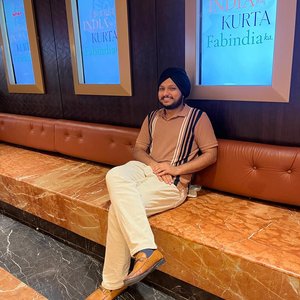
Bhanu Sharma

From data engineer to AI research — with papers to show for it

I came in as a data engineer and ended up co-authoring research — SafeBite and the lab's AI-sustainability work, plus my own first-author paper. Doing it end-to-end, with faculty mentorship, is what opened the AI Research Engineer role at Dell.

Before

Data engineer at UnitedHealth Group (Optum)

At the lab

SafeBite + sustainability / supply-chain research; co-author on lab papers

After

AI Research Engineer at Dell — still publishing while employed

Varanjot Singh

HR systems specialist — learning research-grade AI without changing careers

My day job isn't AI research. I joined because the team needed someone who could test, document, and ship — and I wanted to learn what people are actually building this year, not from a two-year-old course. The evaluation work on TerrierTA and co-authoring Knowledge-in-a-Box gave me skills I use when HR products talk about AI.

Before

HR systems and enterprise software (Eightfold, Darwinbox); BTech Mechanical

At the lab

TerrierTA evaluation methodology; Knowledge-in-a-Box co-author; manuscript translation and provenance research

After

Specialist HR Systems @ Amgen — same career path, stronger on how AI systems are built and evaluated

Rajat Yadav

TerrierTA lead — full-stack from database to dashboard

TerrierTA is mine to run — PostgreSQL to React — and the first product I've taken from schema to shipped grading pipeline.

Before

Backend and DevOps engineer (Phenom, then observability tooling at New Relic)

At the lab

Lead, TerrierTA — full-stack frontend, PostgreSQL schema and data fixes, grading pipeline delivery; lab AWS and CI/CD

After

Software Developer @ New Relic — full-stack product lead for a live AI grading system (database to dashboard)

Vasudev Parmar

SDE II building platforms — first agent product, API to production

I build enterprise platforms for a living — Kafka, Kubernetes, developer portals. Potluck was the first time I owned an agent product end to end: the API, the agent backend, deployment, all the way to production. That kind of full ownership is the part you rarely get handed at a big company, and it's exactly why I joined.

Before

SDE building cloud-native enterprise platforms (Kafka, Kubernetes, developer portals)

At the lab

Potluck — designed and shipped the agent backend end to end, API to production

After

SDE II @ Phenom — platform engineer who's now built an agent product end to end

OUR STORY

We started Anacodic to close the gap between learning and doing by giving students a real place to contribute. We do it by welcoming students into guided, active work: codebases with real users and constraints, and research that has to be reproducible and defensible under review. We wanted that environment to be available from the start: structured, supportive, and built for steady growth.

What we believe:

  • Growth should feel supported: clear scope and feedback make progress natural.
  • Research should be contribution-led: strong work earns authorship.
  • Work should be portable: work should be specific, verifiable, and explainable.

That's what we build toward: students contributing to production systems and faculty-backed research, with work they can defend in any room.

Founded at Boston University · Volunteer-run

Collaborating with: Boston University · Boston Children's Hospital · Harvard Medical School · Cleveland Clinic